Snow, Eh!

About
Snow, Eh! is a game that was created for an event called Design Week, where, true to its name, its participants are tasked with designing a game within a single week (Monday to Friday). Each Design Week comes with a theme, and this one was themed around Micro Games -- a game that is a maximum of 30 seconds long.
For this design, my team wanted to create a game about snow shoveling, and really lean into the Canadian theming with cute characters and a memorable, fun gameplay experience that will leave an impression even with only 30 seconds of play time. And thus, a 1v1 snow shovelling game was created, where your task is to clear the snow off your driveway, by throwing it onto your neighbors'.
For this game, I was the main artist. I created and inputted every art asset in the game, as well as creating the initial idea, and the game's first concept arts.
Project Preview


TLDR
-
Came up with the initial game pitch
-
Created the earliest game concept
-
Painted the background
-
Created 3 frame animations for each character's walking and throwing actions
-
Animated a looping snowfall animation
Game Design Process
Initial Design
The ideation process started with brainstorming and researching different types of micro games. My team and I have compiled a list of references that we would then look at and reference for the rest of the week, which was all organized in a Miro page that the whole team had access to.

very first brainstorming done for the project
I then came up with, and proposed, the initial idea for a snow shoveling game. Originally, the idea was both a single and 2 player experience where your task is to clear as much snow from your driveway as possible. The original name of the game was "Snow Shoveling, Eh?".
It was picked from an assortment of three ideas created and prototyped by the team, as Snow Shoveling ended up receiving extensive support and excitement from both the rest of the team, and other Design Week participants.

quick game concept illustrated by me
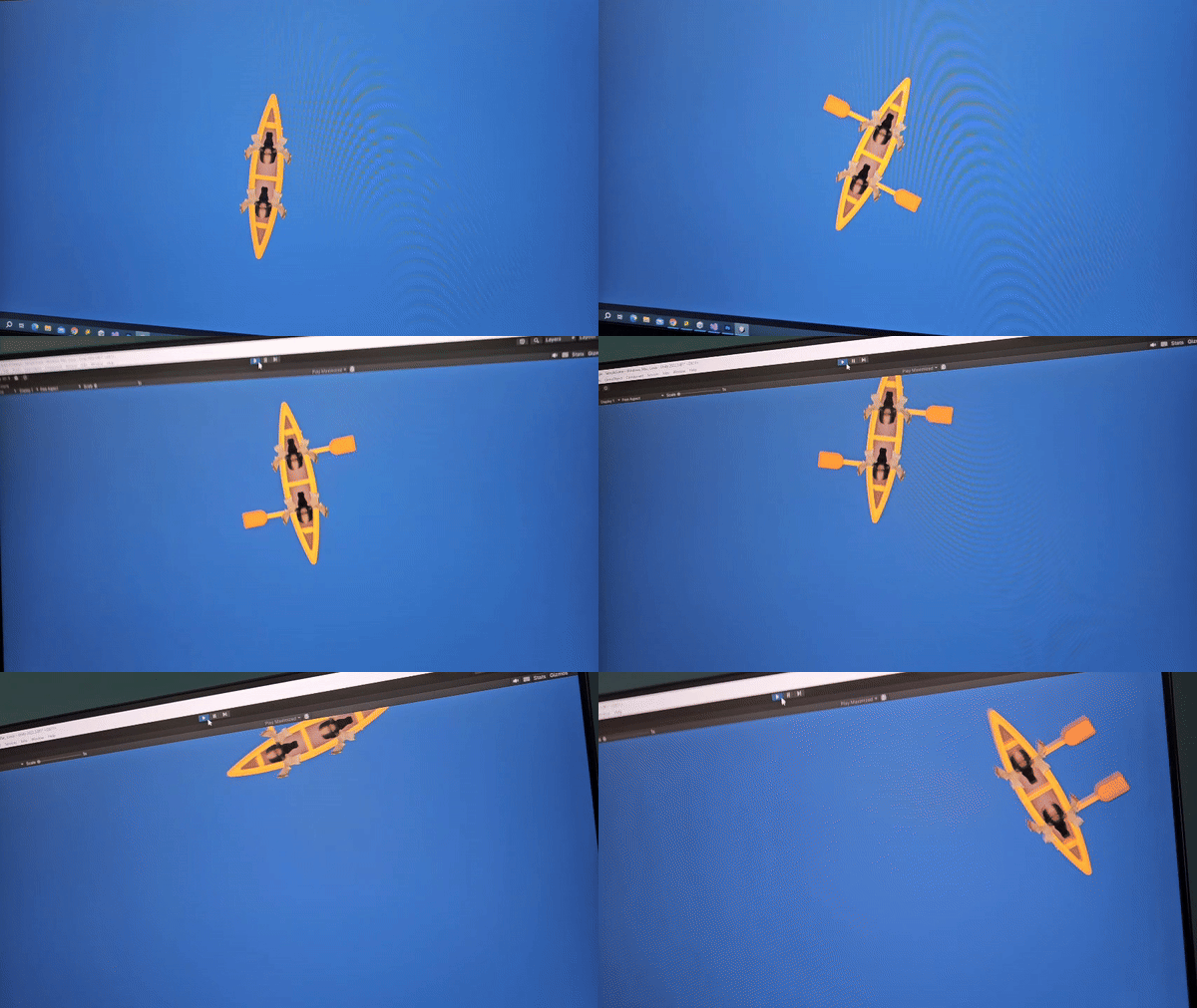
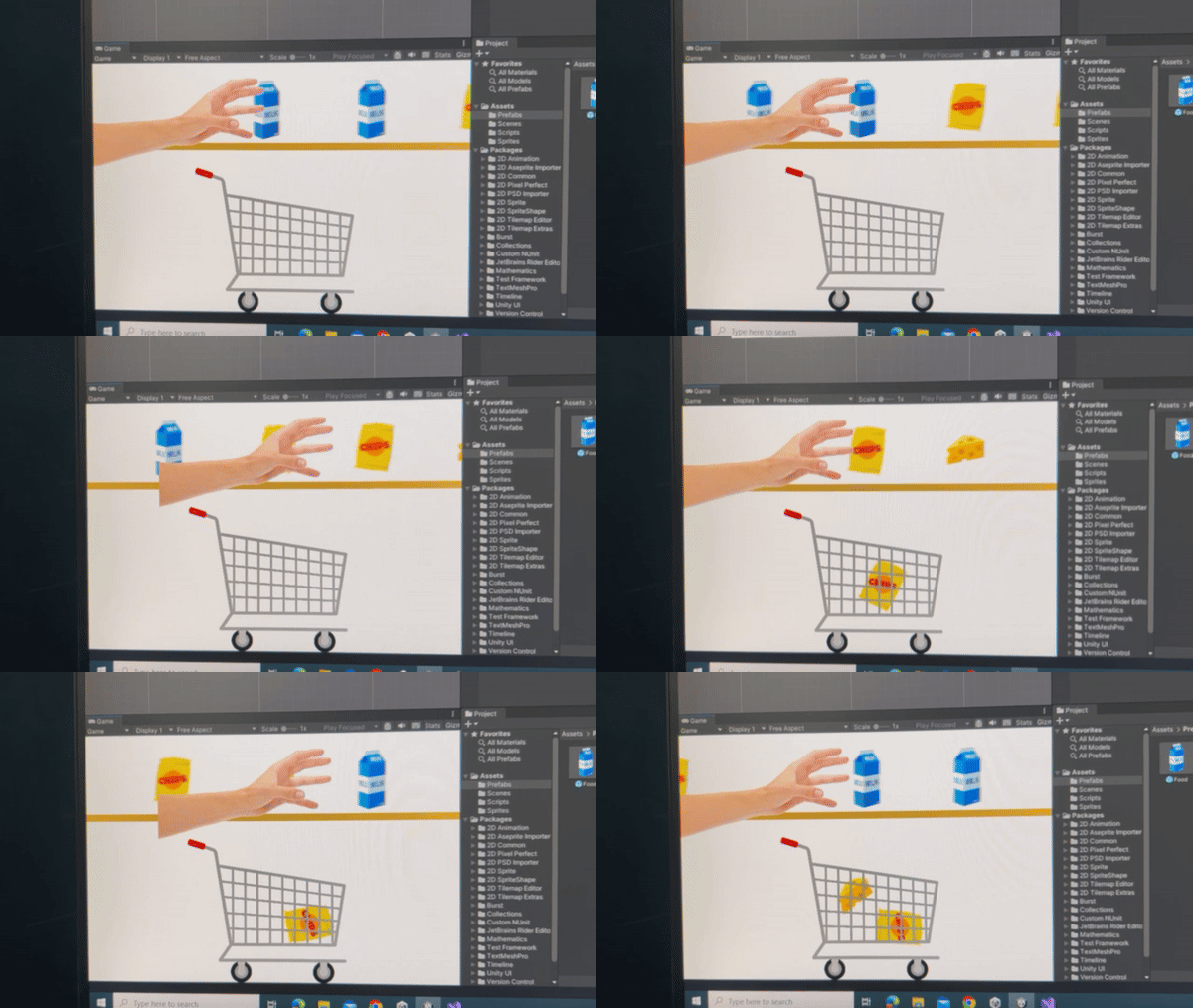
basic prototypes created by others on the team, for the other two game options
When making the final decision, the team picked a game that we thought was the most exciting, easy to understand, and was something that is inherently relatable for most of the audience that we were designing for.
Design Iteration
As the team continued with the initial concept, we made sure to constantly receive feedback from people outside of the core team. Due to the short length of the design process, we knew we needed constant feedback in order to achieve the best result possible.
In so, we conducted daily playtests, even when the game was at its worst, nearly unplayable state.
In hopes of creating a fun game by the end of the week, I used the playtests to identify significant pain points, the most popular/enjoyable components and things that testers wanted/assumed the game would have. I believe that these elements would create a successful game, even in such a short amount of time. I knew I had to focus on what was important, and I made sure to filter our feedback to things that were possible, and things that were out of scope.


one of the playtesting feedback results, recorded on a team Miro board
As the feedback continued, the game slowly morphed into the game you will see today. The original concept had little interaction between the players, but a decision was made to take the game into a more active gameplay direction to facilitate more interaction, and in turn make the game more exciting.
Art and Assets Creation
Art Direction
As the main artist, I was responsible for the art direction of the whole game. I took the game's intended feel, as well as the theming and gameplay in mind when deciding how the game will look like.
Easy things first, due to the game being set in winter (especially during a snow storm), the colour scheme would obviously be whites, blues, and generally desaturated values.
As the gameplay is quick and focused on player movement, I needed to make sure that the player characters stood out from the environment easily. In addition to that, the players being colour coded to blues/reds made them stand out even more, as well as promoting the idea of competition, and the idea of "different sides".
To tie in the lighthearted nature of the conflict in the game, the art style was kept cartoony, and the player characters were represented by animals that are commonly associated with Canada.
In the end, the assets that I created had to be first pass due to the nature of the game development being so short. I first created the map, and it was quickly implemented in the game for testing (with placeholder art while the other assets were made).
Art Creation and Implementation

isolated map
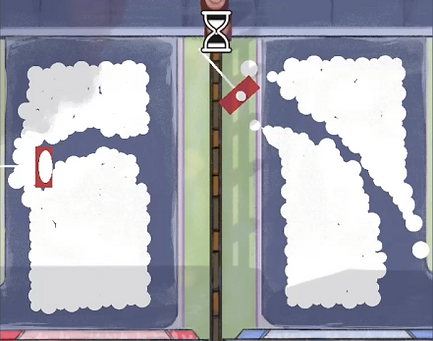
map in-game
The second assets to be done were the player characters, the Beaver and the Bear.
From this point on, all of the art was done in the third day of Design Week, out of 5, in order to leave time to implement the assets into the game, be able to playtest it with full assets, and to ensure the game is complete on time.
The player characters came with two animations, their walking and throwing animations, which were done in the same day as the original assets.


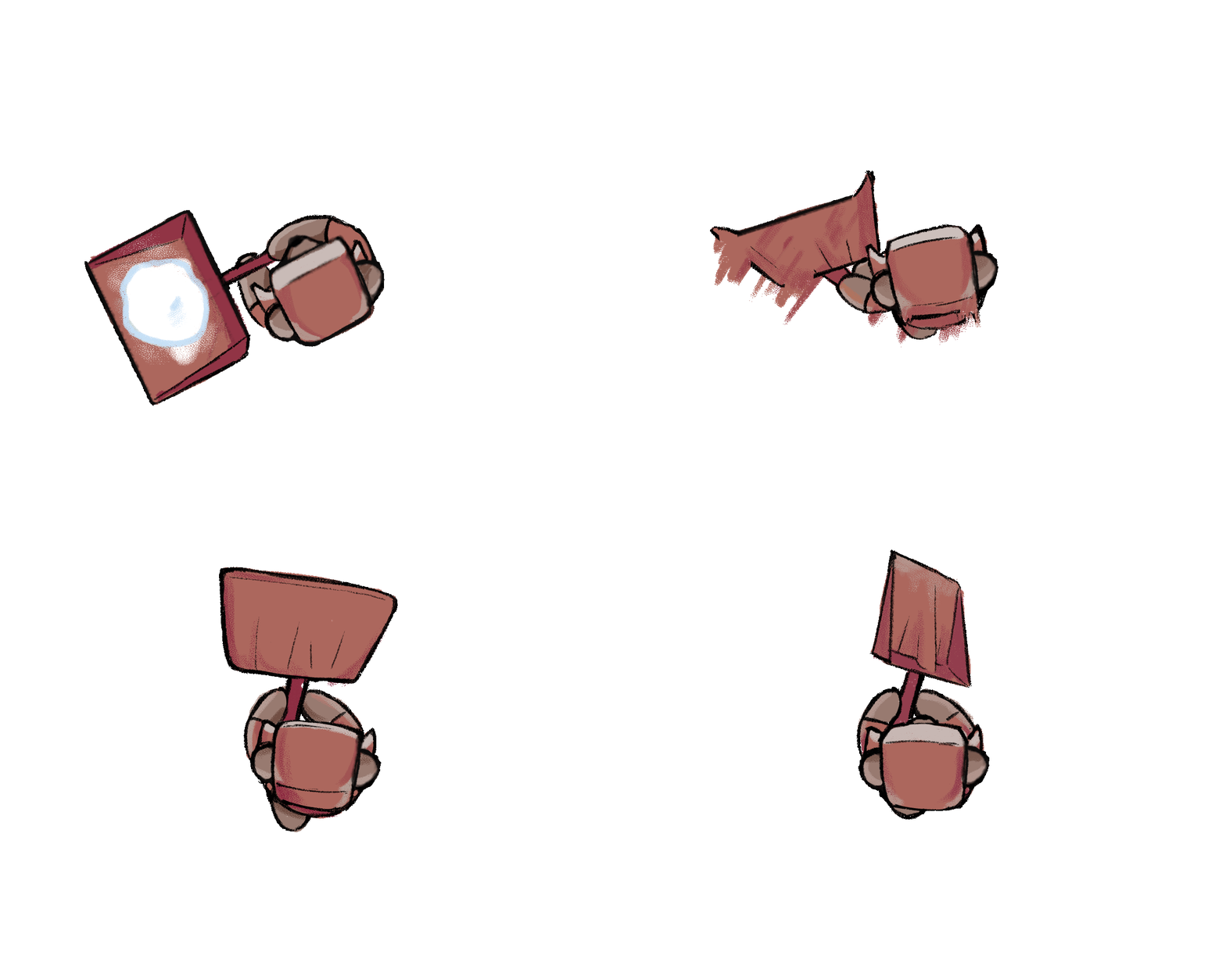
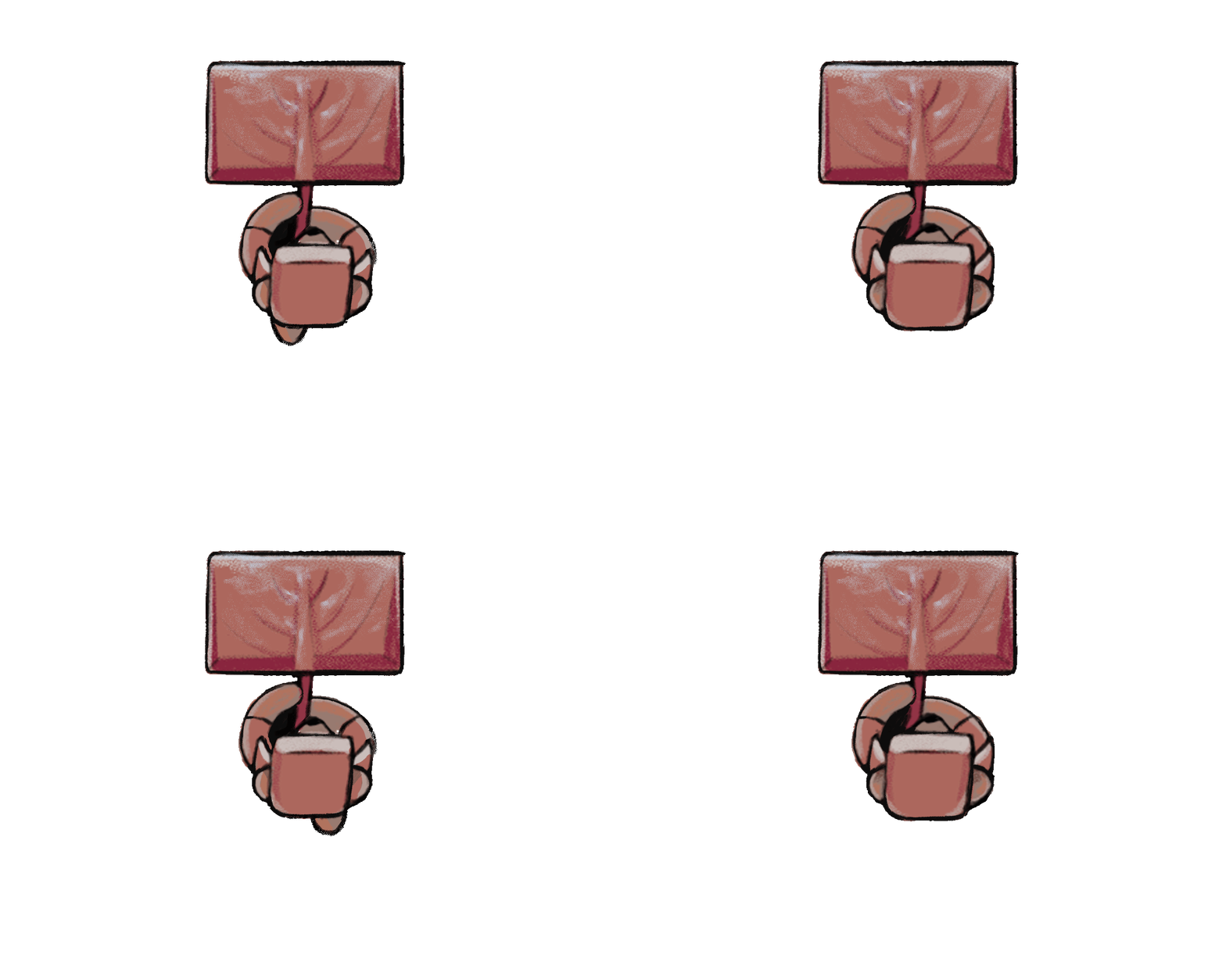
Implementing the animations was the next objective. Each frame of each animation was put into a sprite sheet, then, going into the shared Unity project, I set up the animations tied to the character prefabs. In engine, I placed each frame of the animation to time it correctly.
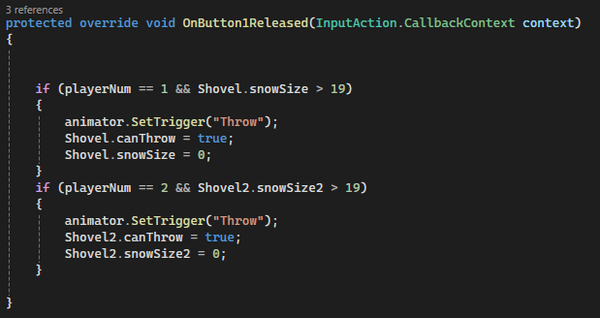
For the animations to show up, I had to go into the player character code and write the animations in. In C#, I made the walk animations happen when the player is moving, stop when the player's speed is at zero, and override all animations and play the throwing animation when the throw button is pressed.


The final essential piece of art that I delivered was the design of the snowballs. The snow on the ground is completely made up of round snowballs of different sizes, and while it could have been left as in-engine created white circles, it made the game feel less polished. Thus, I was tasked with creating snowballs that looked more polished.
In the end, it went through some levels of iteration as I went through some trial and error getting it to look right. Below you can see the original design for the snowball, which was discarded due to it looking strange in the game, and on the right is the final version of the snowball design.

original
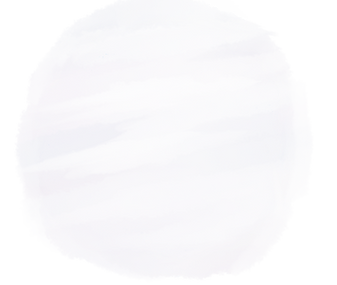
final
Finally, as part of the final touches to the game, I wanted to create an end screen (unique to each player that wins), a progress bar on the bottom, and a snow storm animation to sell the idea of the game taking place during a snow storm. The snow storm was a last minute addition to the asset list, as I felt it was helpful in making the game feel more hectic, and generally atmospheric, both things that the game seemed to have lacked up until then.